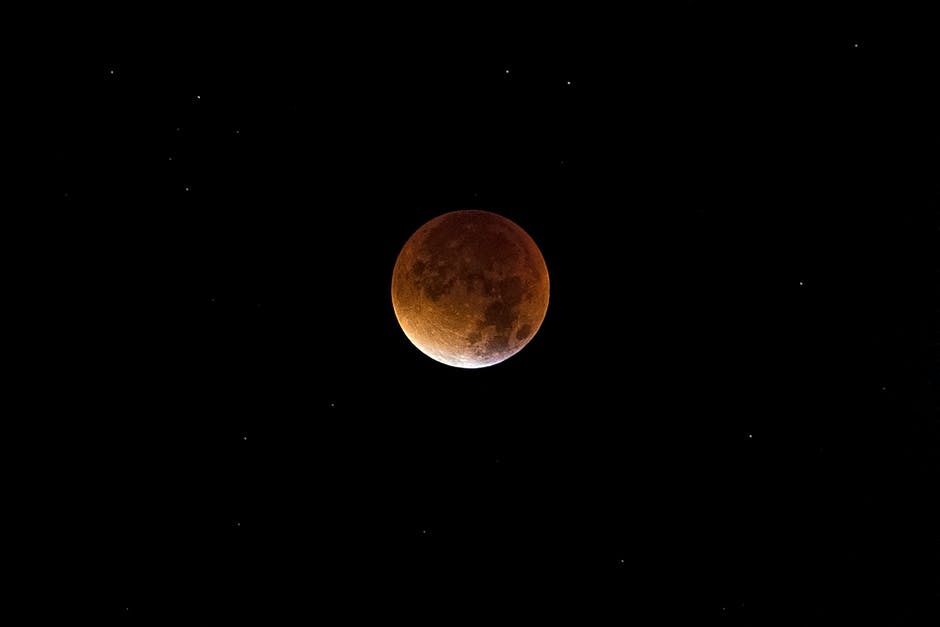
As solar eclipse frenzy hots up, Britons are wondering anxiously what the weather will be like on Friday morning, March 20th. According to the Weather Network, early forecasts indicate that the skies will be cloudy in the western and northern regions of the country. However, the weather may improve for the east and south. Although it will be cloudy on this day, you’ll still see the eclipse and can observe the birds return to their nests at midday. On March 20th, several phenomena will occur at the same time. A Supermoon Eclipse will occur – this will include a solar eclipse and a supermoon. This is when Earth and Moon meet as closely as possible. People in the east and south are seeing things improve. (Image: Weather Network) The event will also coincide with the Spring Equinox, something that will only happen three more times this century (2034, 2053 and 2072) and not once in the 22nd century. A partial solar eclipse in UK The extent of the obscuration will vary for people in Europe and North Africa, as well as those living in Northern Asia. Svalbard, located between Norway and Iceland and Faroe Islands will experience a total eclipse with 100% darkness. Faroe Islands authorities say their hostels, B&Bs, and hotels are all full, but there is still a few host families. In a statement, the Faroe Islands Tourist Board stated that the event would be enjoyed by tourists and Faroese across the nation. The remainder of the day will include a variety of cultural and musical events as well as tours and activities, and the chance to taste Faroese food. The Moon is placed between the Sun and Earth during a solar eclipse. This blocks sunlight from reaching certain areas of the planet. There are two shadows cast onto the Earth’s surface. The Penumbra is a shadow that covers large areas but it isn’t as dark as the Sun, and it is a partial eclipse. The Umbra is a smaller and darker shadow that causes a complete solar eclipse. Two shadows cast by the moon on Earth’s surface in a solar eclipse. Svalbard and Faroe Islands will be located in the umbra. The UK and all of Europe will remain in the penumbra. The partial eclipse in the UK will start at 7: 41am and end at 11: 50am, while the total eclipse will last just 2 minutes and 24 seconds, says the Met Office. Make the best of Friday’s event, because there won’t be another one for 11 years (August 11, 2026). According to the British Astronomical Association, “An apparent partial eclipse will be visible in all European countries and will also be visible from North Africa and Newfoundland.” Eye damage. Authorities throughout Europe remind people to use safety precautions to ensure their eyes are protected. Never look at an eclipse with your naked eyes. Eye damage and blindness can result if you look at the eclipse with your naked eye. NASA scientists offer this advice. “The Sun cannot be seen safely without the naked eye during any total solar eclipse. These are not safe. They are not safe. “Do NOT view the Sun through any filters that can be used for solar viewing. aluminised mylar filters, or black polymer filters, identified as suitable for direct viewing of the Sun, bearing the CE mark AND a statement that it conforms to European Community Directive 89/686/EEC, or use a welder’s glass rated at No. 14 or higher. Follow the instructions of your manufacturer carefully. Young children: Despite being warned about the dangers, they will often look up. Young children should not be allowed to enjoy this event without supervision. You can enjoy the solar eclipse safely with a pinhole camera. Also known as a pinhole projectionor, this allows you to view an inverted version of the eclipse. Two sheets of paper are all you need. When children make the pin (the camera), supervise them. Make a hole on one side of the sheet using the pin. The Sun will be visible on the lower sheet. On the lower page will be an inverted picture of partially blocked Sun. To protect your eyes, keep your face towards the Sun. Many online shops sell eclipse glasses. These glasses block harmful ultraviolet and infrared radiations and reduce visible light intensity. Although many stores have sold out of these glasses, I discovered that Amazon has some left in stock. Your eclipse glasses must be CE-approved. Solar power industry says it is ready When Europe goes dark on March 20th there will be a 35,000 MW dip in electricity generation as solar power plants stop producing electricity. Europe is the largest global generator of solar energy. As people turn on their lights across Europe, this fall in solar power supply will be accompanied by a rise of demand. According to the European Network of Transmission System Operators for Electricity, “Managing this event on the largest interconnected grid in the world is an unprecedented challenge for European ENTSOs,” “Solar eclipses have occurred before, but there are now more solar eclipses than ever.” A Faroe Islands legend tells of four brothers, who used to fight incessantly. One morning, at 11: 25 am on May 30th, 1612, there was a solar eclipse while they were up in the mountains tending to their sheep. The brothers were devastated and saddened when everything became dark. The brothers promised God they would not fight again if God could bring back the sun and save the world. After their prayers, the Sun rose and all was restored to normal. They hugged one another
Solar eclipse on March 20 – mixed forecasts regarding cloudy or clear skies, UK